My interest in drug policy began during my bachelor’s studies, at a time when several US states were moving towards the decriminalisation of cannabis.
As public debate focused on whether decriminalisation would increase cannabis use, I became interested in the wider effects of drug policy. My bachelor’s thesis examined the War on Drugs, its impact on minority communities, and the consequences of cannabis decriminalisation across three key US states.
The results were revealing. In the states I studied, reform was associated with lower rates of cannabis use among young people, reduced youth and minority incarceration, and the redirection of law-enforcement resources towards other crimes.
From National Reform to International Policy
My studies in the Master of International Relations programme at the Geneva School of Diplomacy allowed me to develop this interest within a broader international context.
During the programme, I completed an internship with a United Nations-associated non-governmental organisation, where I worked on global migration policy and contributed to updating a policy guide on the development and implementation of effective migration frameworks.
Although the subjects were different, my academic research and professional experience led me to the same conclusion: people can easily become lost behind statistics, institutional language and policy frameworks.
Listening to Patient Experiences
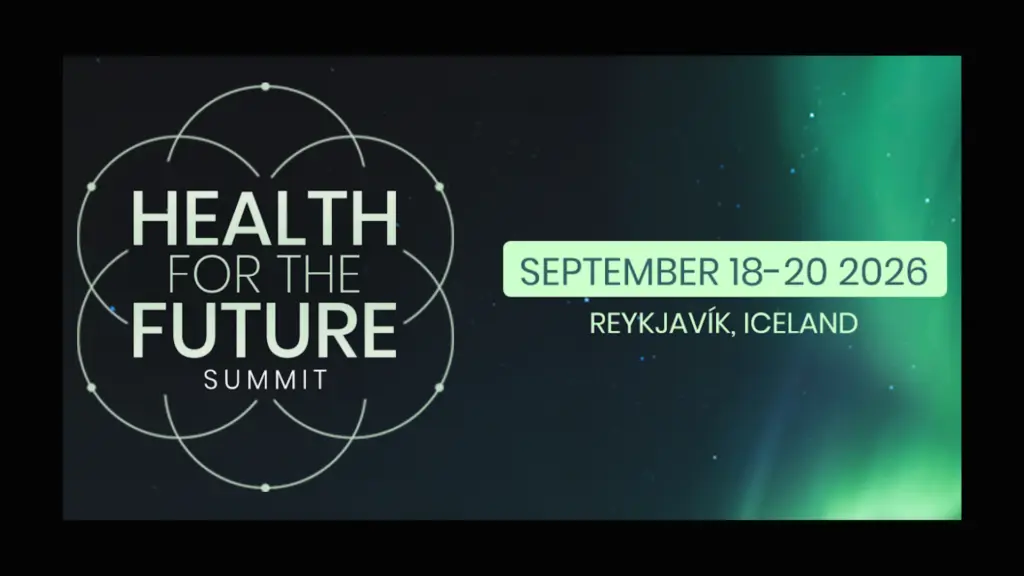
This question became particularly clear during Health for the Future in Reykjavik, Iceland, where I spoke about United Nations drug policy and its influence on international medical cannabis policy.
The gathering approached the subject differently. Rather than treating patients as figures within a policy debate, it placed their experiences at the centre of the conversation.
Participants discussed the potential medical benefits of cannabis for a range of conditions, as well as the relationship between hemp, cannabis and the human endocannabinoid system. Most importantly, patients and their families were given space to describe how existing laws and policies affect their lives.
Many spoke about living in fear of the systems intended to protect them because accessing medical care could expose them to criminalisation. Parents described the experiences of children with epilepsy who responded only to medical cannabis. Others shared accounts involving cancer, chronic pain and endometriosis, and explained how medical cannabis had helped them regain aspects of their health and quality of life.
These testimonies gave a human dimension to questions that are often discussed only through legislation, institutional mandates and statistical evidence.
From Evidence to Action
My contribution focused on the potential benefits of decriminalisation when it is accompanied by effective public-health infrastructure. I also provided context on the role and structure of the United Nations system in shaping international drug policy.
The experience left me with the impression that governmental and international responses remain slow partly because of fear and an incomplete understanding of the people affected by these policies.
Evidence remains essential to responsible policymaking. However, evidence is most meaningful when it is considered alongside the experiences of patients, families and communities.
Health for the Future put the person back into the data. I am grateful for the opportunity to contribute to the discussion and to consider how international policy can evolve to better serve those who depend on it.