
Master of Advanced Studies in Global Affairs and Diplomacy
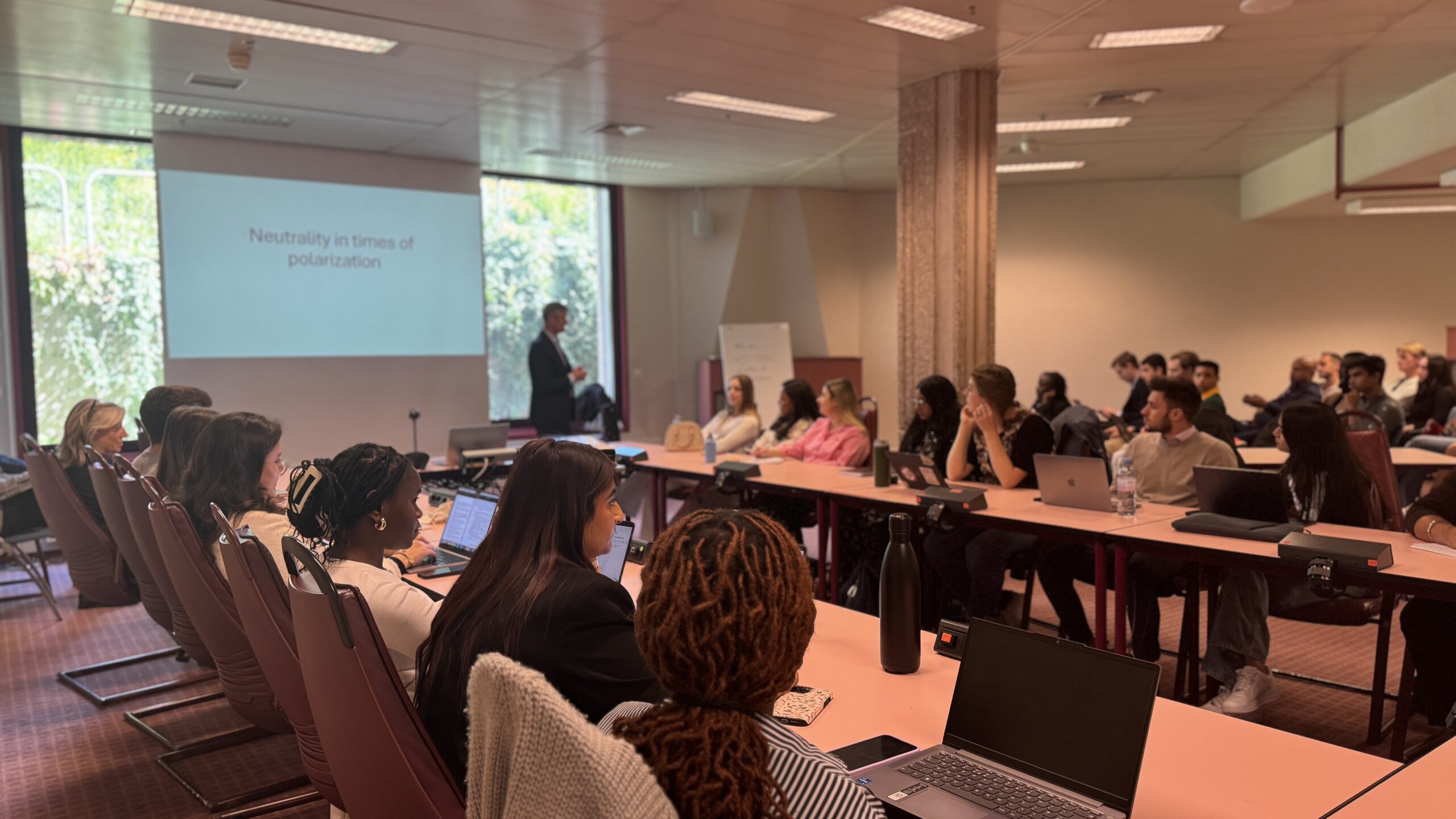
The Master of Advanced Studies in Global Affairs and Diplomacy (MAS) at the Geneva School of Diplomacy is a is a 60 ECTS postgraduate continuing education qualification designed for experienced professionals operating in complex international environments. Delivered in International Geneva through a blended format, the programme combines advanced strategic analysis with applied diplomatic practice to develop leadership, policy insight, and executive decision-making expertise.

Programme Overview
Based in International Geneva, the MAS is embedded in a global diplomatic and policy ecosystem that supports executive-level engagement with multilateralism, international decision-making, and global strategy.
The programme is designed for mid-career and senior professionals seeking to deepen their understanding of global affairs while strengthening leadership, policy analysis, and strategic judgement. Through applied learning and direct engagement with international institutions, participants connect academic insight with real-world professional contexts.
Learning Outcomes
By the end of the programme, graduates will be able to:
- Analyse global power dynamics, governance systems, and multilateral processes
- Apply advanced policy analysis and strategic research to complex international challenges
- Demonstrate executive-level leadership and decision-making capabilities
- Engage effectively in diplomatic negotiation and international representation
- Translate analysis into strategic, professional, and institutional outcomes
Programme Structure
The programme is delivered over 14 months, combining executive-level coursework, applied engagement, and a final capstone project.
Step 1 – Diplomacy and Multilateral Foundations
- Global power dynamics and multilateral negotiation
- Governance structures and international decision-making
- Immersive Geneva engagement with institutional briefings and applied exercises
Step 2 – Digital and Security Competencies
- Digital diplomacy, AI governance, and counter-disinformation
- Strategic security, crisis negotiation, sanctions, and regional security frameworks
Step 3 – Trade and Business Diplomacy
- International trade systems and WTO mechanisms
- Corporate diplomacy, ESG strategy, and public-private partnerships
Final Stage – Foresight, Leadership and Capstone
- Strategic foresight and geopolitical risk analysis
- Capstone Project (18 ECTS): thesis or applied project addressing a real diplomatic or global policy challenge
Admissions Requirements
Applicants must hold a Bachelor’s degree or equivalent qualification from a recognised university. Preferred academic backgrounds include international relations, political science, law, economics, business, or security studies.
Professional experience
A minimum of three years of relevant professional experience is required in fields such as diplomacy, international organisations, government, NGOs, global business, security, or related sectors.
English language proficiency
Applicants must demonstrate proficiency in English through one of the following (or equivalent):
- IELTS 6.5
- TOEFL iBT 85
- Cambridge C1 Advanced
- Duolingo English Test 115
Applicants who have completed prior studies fully in English may be eligible for a waiver, subject to assessment.
Tuition and Fees
- Application fee: CHF 500 (non-refundable)
- Enrolment fee: CHF 1,500
- Tuition fee (14 months): CHF 25,000
Tuition fees cover academic instruction and programme delivery. Living expenses, travel, and personal costs are not included.
Career Outcomes
Graduates of the MAS in Global Affairs and Diplomacy advance into senior and executive roles across:
Graduates pursue a wide range of academic and professional pathways, including:
- Diplomacy and international organisations
- Government and public policy
- Non-governmental organisations and humanitarian action
- Global business, public affairs, and corporate diplomacy
- Policy analysis, strategic research, and advisory roles
The programme supports career progression in leadership positions within international and cross-sector environments.