
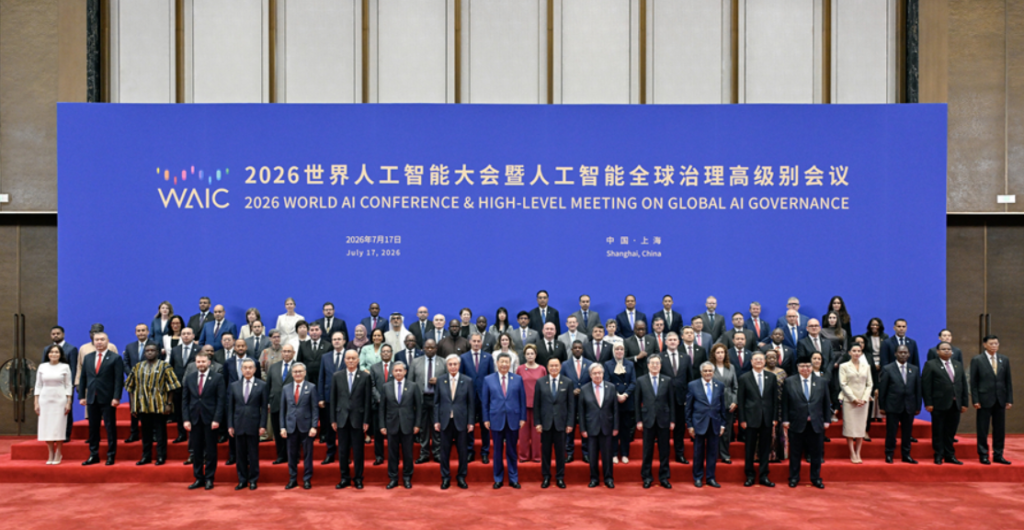
This article analyzes China’s renewed Global AI Governance Initiative and the establishment of the World AI Cooperation Organization (WAICO) at WAIC 2026 as important developments in global AI governance. It argues that these initiatives should be viewed not only through the lens of geopolitical competition but also as efforts to address key global challenges: creating inclusive AI governance rules, ensuring equitable participation of developing countries, and balancing innovation with risk management. The authors emphasize the need to reduce global AI capability gaps, prevent digital inequality, and strengthen capacity building in the Global South through cooperation in infrastructure, talent development, and knowledge sharing. The article also highlights the importance of multistakeholder diplomacy and international collaboration in managing AI’s opportunities and risks. Finally, it underscores Geneva’s role as a neutral platform for dialogue and the contribution of academic institutions to building a more inclusive, resilient, and sustainable global AI governance framework.
Photo Credits
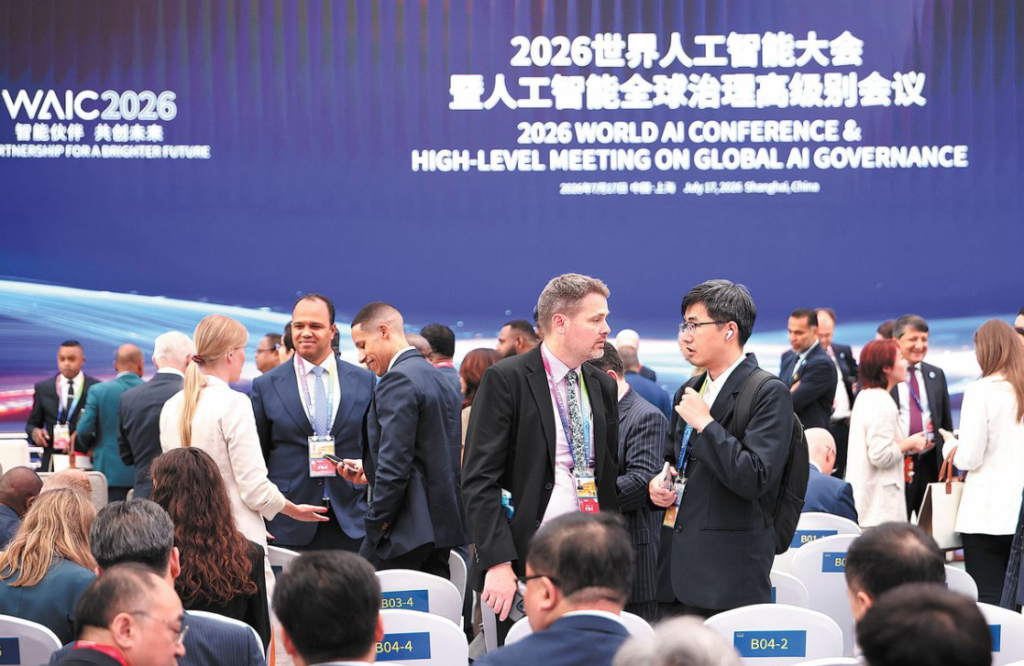
Photo 1 : Yin Bogu/Xinhua Photo 2: Feng Yongbin/China Daily
Introduction
Artificial intelligence (AI) has rapidly evolved from a disruptive technological innovation into a core geopolitical variable shaping contemporary international relations. Global competition over AI research, industrial application and governance rule-making has become deeply intertwined with national economic growth strategies, comprehensive national security, global institutional reform and cross-border pragmatic cooperation. Against this complex international backdrop, the renewed proposal of China’s Global AI Governance Initiative and the official launch of the World AI Cooperation Organization (WAICO) at the 2026 World Artificial Intelligence Conference (WAIC) in Shanghai mark a pivotal milestone in the maturation of global AI diplomacy and multilateralism.
While mainstream international discourse tends to frame global AI dynamics through the lens of great-power strategic rivalry, the institutional breakthroughs unveiled at WAIC 2026 require a more comprehensive and inclusive analytical perspective beyond geopolitical competition. These developments respond to three core unresolved questions facing the global community in the AI era: how to establish legitimate and universal global AI governance rules, how to guarantee substantive participation and development rights of emerging economies in the global AI industrial revolution, and how to strike a dynamic balance between technological innovation incentives and systematic risk prevention and control.
Rather than merely positioning these Chinese-led initiatives as competitive tools in great-power games, they can be better interpreted as constructive contributions to the ongoing multilateral dialogue on transformative technology governance, supplementing and improving the existing fragmented global AI governance architecture.
Strategic Timing in a Fragmented AI Landscape
The rollout of China’s updated AI governance propositions and the establishment of WAICO carry distinctive strategic significance amid the current fragmented global AI governance system.
Global AI regulatory frameworks remain highly decentralized and heterogeneous across jurisdictions. Major economies have adopted divergent governance models: the European Union implements mandatory and tiered regulation via the AI Act, classifying AI systems by risk levels and imposing strict compliance obligations on AI developers; the United States prioritizes industry self-regulation and flexible sectoral guidelines; most emerging and developing countries lack systematic national AI regulatory systems and rely on international voluntary frameworks and bilateral tech cooperation mechanisms. Meanwhile, the iterative evolution of frontier general AI models continues to outpace the formulation and iteration of national laws and multilateral rules, creating widespread governance vacuum worldwide.
In this context, the founding of WAICO signals China’s clear strategic shift: from a major participant in AI technological research and industrial application to an active rule-maker and institutional builder of global AI governance.
Strategically, this institutional initiative arrives at a critical moment when Global South countries are increasingly demanding equal representation and discourse power in global AI standard-setting, digital infrastructure construction and inclusive digital development. Traditional Western-dominated tech governance mechanisms have long prioritized the interests and development demands of technologically advanced economies, leaving developing nations marginalized in emerging AI norm-making processes with limited voice and participation channels.
The long-term influence and institutional value of WAICO will ultimately hinge on its operational inclusiveness, procedural transparency and ability to deliver actionable, result-oriented multilateral cooperation. Even so, its official establishment fully reflects the global consensus that AI governance cannot be monopolized by a small number of countries and requires universal international participation and collective responsibility-sharing.
Filling Capacity Gaps and Avoiding Digital Colonialism
A core normative feature of China’s 2026 global AI governance propositions is its focus on bridging global AI capability divides and advancing inclusive global digital development.
The contemporary global AI ecosystem suffers from severe structural inequality. Core AI production factors including high-performance computing resources, standardized industrial datasets, advanced semiconductor chips, professional technical talents and industrial investment are highly concentrated in a handful of developed countries and multinational tech giants. Without targeted international capacity-building cooperation, most developing economies will be locked in the low-end link of the global AI industrial chain, serving only as passive technology consumers rather than independent innovators and co-builders of AI technologies.
This long-term technological and resource imbalance has sparked extensive academic and policy discussions on “digital colonialism”, which refers to the structural dependency formed by unequal digital resource distribution, whereby dominant technological powers control global digital infrastructure, data circulation and AI platform ecology, solidifying and exacerbating North-South development gaps in the digital era.
Addressing digital inequality and resisting digital colonialism cannot rely on superficial technology transfer alone. Sustainable inclusive AI development requires systematic capacity empowerment for developing countries, including institutional improvement, regulatory capability cultivation, professional talent training and local innovation ecosystem incubation. Targeted capacity building has thus become an indispensable pillar of modern global AI governance, enabling all sovereign states to make independent and rational policy choices on AI development while safeguarding fundamental technological sovereignty and digital security.
China’s WAIC 2026 initiatives place systematic emphasis on pragmatic technical cooperation, cross-border digital infrastructure connectivity, joint talent cultivation and open knowledge sharing with Global South countries. Although the actual effectiveness depends on long-term implementation and multilateral coordination, this inclusive development orientation is highly consistent with the United Nations’ core propositions on bridging the global digital divide and promoting equitable development.
“Governing AI for Humanity”, the report by United Nations Secretary General AI Advisory Body, emphasizes that bridging the global AI capacity divide and strengthening developing countries’ digital empowerment are core prerequisites for realizing inclusive and equitable global AI governance.
Balancing Innovation with Risk Management through Proactive Diplomacy
The central dilemma of global AI governance lies in balancing unimpeded technological innovation with systematic, forward-looking risk management.
AI technology delivers transformative value in global healthcare, inclusive education, basic scientific research, modern public governance and sustainable development goals. However, rapid advancements in frontier AI systems also bring cross-border systemic risks involving cyber security, algorithmic disinformation, autonomous weapon ethics, labor market restructuring, personal privacy infringement and public safety threats, posing unprecedented governance challenges to all countries.
Governments worldwide therefore face a dual governance mandate: to fully release the innovative dividends of AI technology while establishing sound risk prevention mechanisms to curb systemic hazards, avoiding excessive regulatory restraint that stifles technological progress and industrial vitality.
This delicate balance cannot be achieved through unilateral national regulation or fragmented regional rules alone; it requires proactive, multi-stakeholder AI diplomacy.
Modern AI governance has transcended traditional intergovernmental treaty negotiations. It relies on continuous interactive dialogue among sovereign governments, academic research institutions, industrial practitioners, civil society organizations and international agencies. Confidence-building mechanisms, unified technical standards, transparent governance procedures and joint risk research effectively reduce cross-country information asymmetry and normative differences, fostering a global atmosphere of responsible AI innovation.
In this multilateral governance landscape, new platforms such as WAICO function as complementary mechanisms to existing mature multilateral and regional governance frameworks. Rather than creating confrontational and competing governance models, diversified institutional platforms enable rule interoperability, cross-national policy learning and pragmatic technical cooperation, forming a multi-layered, synergistic global AI governance network.
Effective global AI governance cannot be led or monopolized by a single country or institution. It requires long-term inclusive engagement of diverse stakeholders with different political systems, economic development stagesand regulatory traditions.
The Role of Geneva and Academic Diplomacy
As AI governance moves to the core agenda of international relations and global governance, neutral, inclusive and professional multilateral dialogue platforms have become increasingly indispensable.
Geneva holds an irreplaceable core position in the global multilateral governance ecosystem. As the home of dozens of UN specialized agencies, international standard-setting bodies, humanitarian governance institutions and permanent diplomatic missions, Geneva has long served as a neutral hub for cross-ideological and cross-interest multilateral dialogue and cooperation. Its accumulated experience in promoting consensus-building amid geopolitical differences provides valuable practical references for solving contemporary AI governance dilemmas.
The Geneva School of Diplomacy is uniquely positioned to contribute to this emerging global AI governance agenda. Through interdisciplinary frontier technology research, executive governance training and international academic exchanges, the school cultivates current and future diplomatic and governance talents, equipping them with comprehensive cognitive frameworks covering AI innovation, geopolitics, international law, risk management and industrial economics. Targeted capacity-building programmes enhance policymakers’ comprehensive understanding of AI innovation laws and regulatory systems, supporting balanced, evidence-based and forward-looking AI governance decision-making.
Conclusion
As AI continues to reshape global geopolitics, industrial patterns and governance systems, future global technological competition will evolve from pure technological leadership competition to comprehensive diplomatic and governance leadership competition. The global AI development blueprint should not be defined solely by great-power competition and zero-sum games. Instead, it should be shaped by inclusive multilateral cooperation, shared risk responsibility and continuous cross-stakeholder dialogue that fully accommodates the legitimate interests and development demands of both developed and developing countries. WAICO is a bold and practical initiative in the right direction.
In this evolving landscape, Geneva and professional academic institutions represented by the Geneva School of Diplomacy will continue to act as trusted neutral conveners. By strengthening global digital capacity building and promoting inclusive normative consensus, they will contribute to building a more equitable, resilient and sustainable global AI governance system.