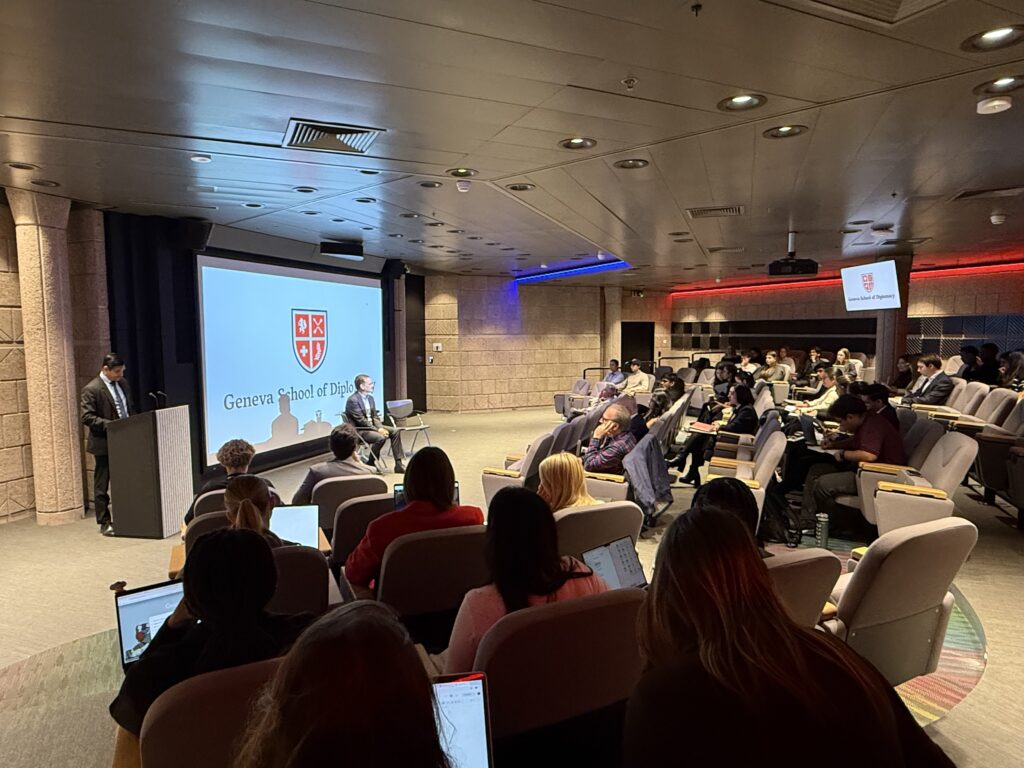
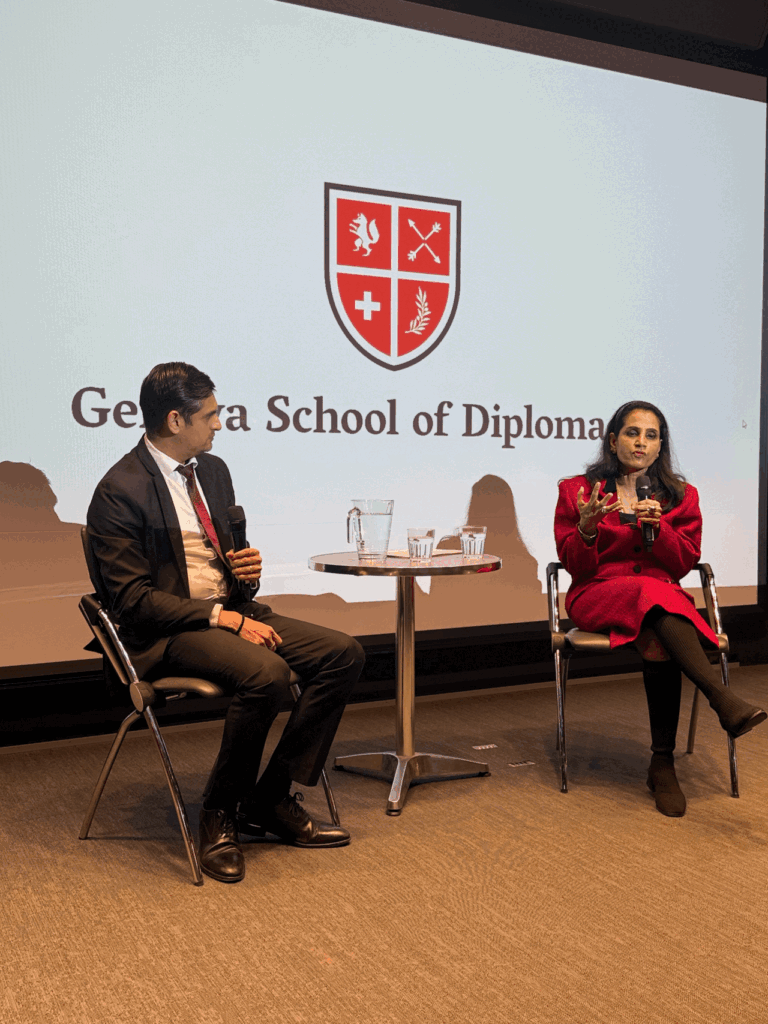
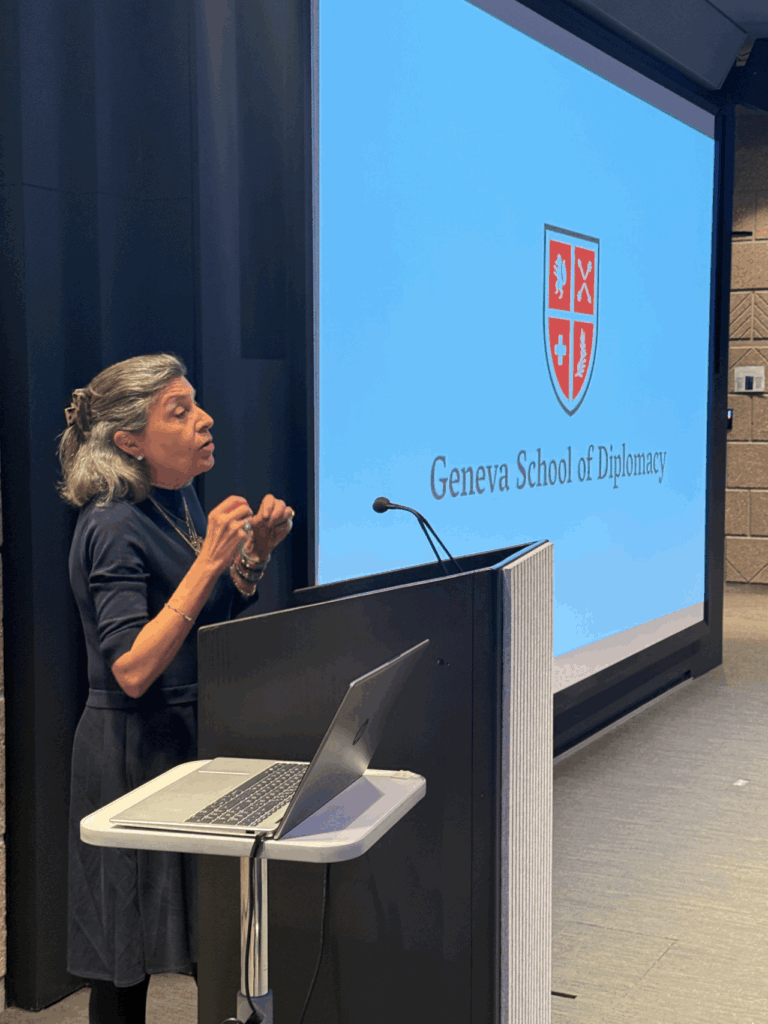
Throughout the Spring 2026 semester, the Geneva School of Diplomacy’s Emerging Issues & Persistent Challenges series explored a question that sits at the heart of international affairs today: how do states, institutions, and societies respond to an increasingly complex and interconnected world?
Across discussions on refugee protection, humanitarian action, sports diplomacy, philanthropy, neutrality, governance, media narratives, and climate vulnerability, a common thread emerged. While the challenges facing the international community continue to evolve, the need for dialogue, cooperation, and informed leadership remains constant.
Bringing together senior diplomats, international civil servants, legal experts, humanitarian leaders, and practitioners, the series provided students with a unique opportunity to engage directly with those shaping policy and decision-making at the highest levels.
Humanitarian Challenges in a Fragmented World
Several discussions focused on the growing pressures facing the international system and the institutions tasked with responding to humanitarian crises.
The semester opened with Ruven Menikdiwela, Assistant High Commissioner for Protection at UNHCR, who examined the legal, political, and operational realities of refugee protection at a time of record displacement. Her discussion highlighted the increasing complexity of safeguarding the rights and dignity of displaced populations in an environment marked by conflict, instability, and resource constraints.
The conversation continued with Raouf Mazou, Assistant High Commissioner for Operations at UNHCR, who explored the transition from emergency humanitarian assistance towards more sustainable and resilient responses. His insights underscored a growing challenge facing humanitarian actors worldwide: how to move beyond crisis management and build long-term solutions capable of addressing protracted displacement and instability.
Together, these discussions highlighted not only the scale of today’s humanitarian challenges but also the importance of international cooperation in responding to them.
New Forms of Influence and Soft Power
One of the most striking themes of the semester was the changing nature of influence in international affairs.
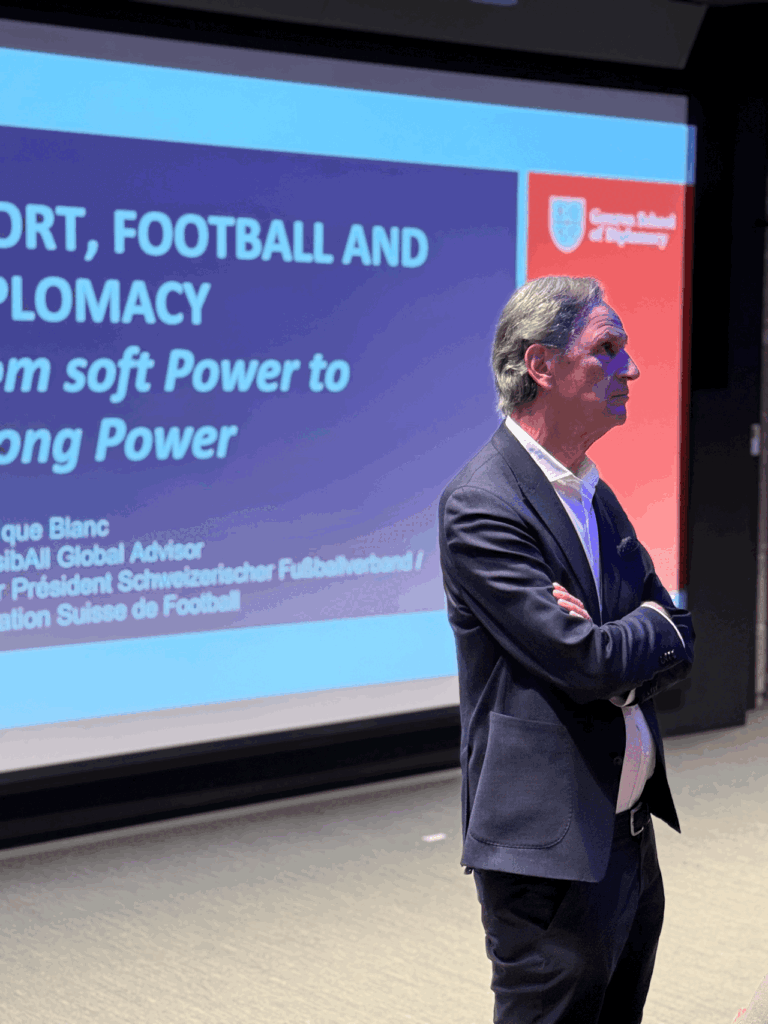
In partnership with LTT Sports, GSD hosted The Quiet Power of Switzerland: Sports Diplomacy & Football, a discussion examining how sport can serve as a powerful diplomatic tool. Contributions from Olivier Jarosz and Akshith Karney explored sports geopolitics, soft power, and international perception, while Dominique Blanc, former President of the Swiss Football Association and member of FIFA’s Human Rights Committee, provided valuable perspectives on governance, ethics, and institutional responsibility within global sport.
The relationship between influence and impact was explored from a different perspective by Atalanti Moquette, Founder of Giving Women, during her discussion on philanthropy, partnership building, geopolitics, and gender. Her reflections demonstrated how civil society, networks, and collective action increasingly shape international development and social change alongside traditional political institutions.
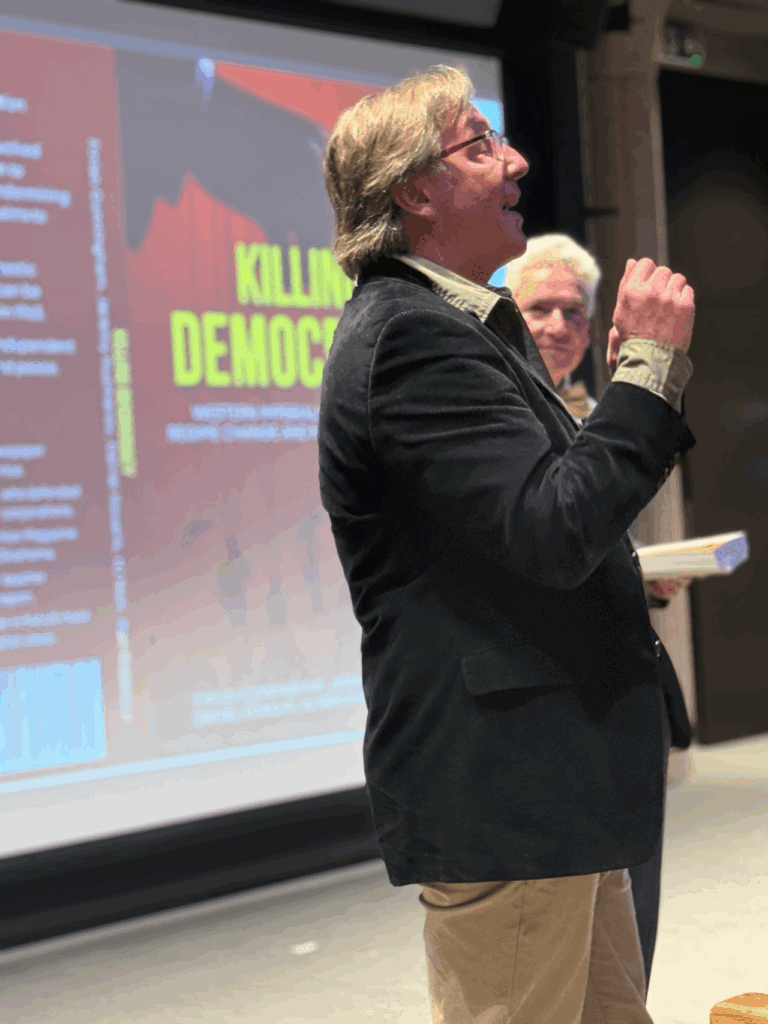
Similarly, journalist and author Finian Cunningham invited participants to examine the role of media narratives and information in shaping political outcomes and public understanding of international affairs. Moderated by Professor Alfred de Zayas, the discussion encouraged critical reflection on the growing importance of information, perception, and narrative in global politics.
Taken together, these conversations demonstrated that influence in today’s world extends far beyond traditional statecraft. It increasingly operates through institutions, networks, ideas, communication, and collaboration.
Governance, Neutrality, and International Responsibility
Questions of governance, accountability, and responsibility formed another key pillar of the series.
Pierre Bayenet, Attorney and Prosecutor at the Ministère public de Genève, offered students an inside perspective on the responsibilities and future challenges facing public institutions and justice systems. His discussion highlighted the importance of trust, accountability, and institutional resilience within democratic societies.
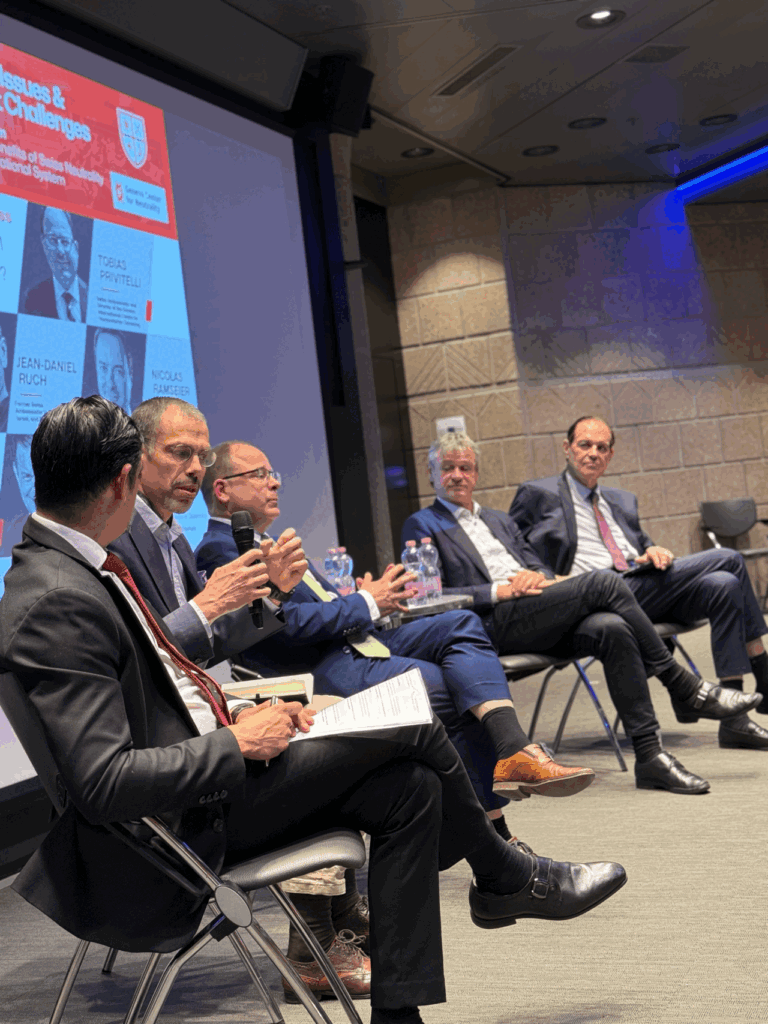
These themes were further explored during one of the semester’s most anticipated events, The Strategic Benefits of Swiss Neutrality in Today’s International System, organised in partnership with the Geneva Center for Neutrality.
The distinguished panel brought together Ambassador Tobias Privitelli, Director General of the Geneva International Centre for Humanitarian Demining (GICHD), Ambassador Jean-Daniel Ruch, former Swiss Ambassador to Serbia, Israel, and Türkiye, Nicolas Ramseier, President of the Geneva Center for Neutrality, Claude Béglé, and Nicholas C. Niggli.
The discussion explored the continuing relevance of neutrality in a rapidly evolving geopolitical environment and examined its role in diplomacy, mediation, humanitarian engagement, and international dialogue. While perspectives differed, the conversation reinforced the idea that neutrality remains a dynamic concept that continues to shape Switzerland’s contribution to global affairs.
Small States in a Changing International Order
The final session of the semester offered an important perspective on the role of smaller states within the international system.
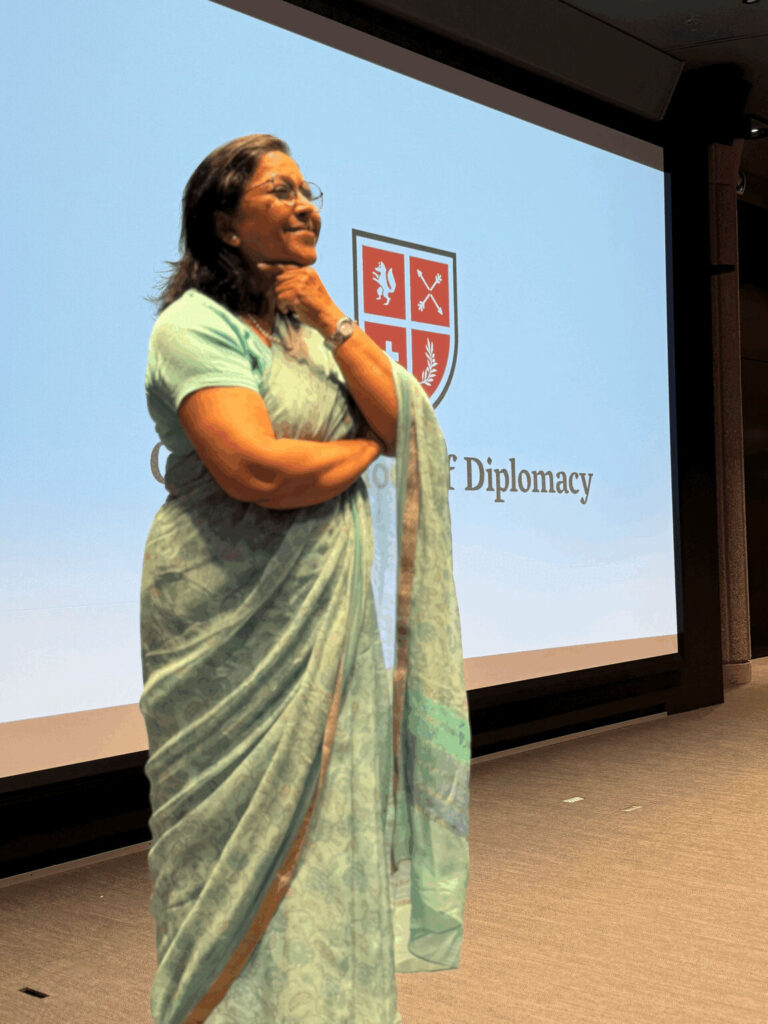
H.E. Usha Dwarka-Canabady, former Secretary for Foreign Affairs of Mauritius, examined the realities facing Small Island Developing States (SIDS) in an era defined by climate change, economic uncertainty, and shifting geopolitical dynamics.
Her discussion highlighted how smaller states often find themselves on the front lines of global challenges while simultaneously demonstrating remarkable resilience, adaptability, and diplomatic leadership. The session provided a powerful reminder that size does not determine influence and that smaller actors continue to play an important role in shaping international debates on sustainability, development, and multilateral cooperation.
The Enduring Value of Dialogue
While the subjects explored throughout the semester varied considerably, a clear lesson emerged from each discussion.
Whether examining refugee protection, sports diplomacy, philanthropy, neutrality, media narratives, justice systems, or climate vulnerability, every conversation ultimately returned to the importance of dialogue. In a world increasingly characterised by geopolitical competition, technological disruption, humanitarian crises, and competing narratives, the ability to engage constructively across differences remains one of the most valuable tools available to policymakers, institutions, and future leaders.
The Emerging Issues & Persistent Challenges series exists precisely for this purpose: to connect students with practitioners, expose them to diverse perspectives, and encourage thoughtful engagement with the realities shaping international affairs today.
The Geneva School of Diplomacy extends its sincere gratitude to all speakers, partner organisations, students, alumni, faculty members, and guests who contributed to another successful semester of discussion and exchange.
We look forward to continuing these important conversations in the coming academic year.